

 Abhishek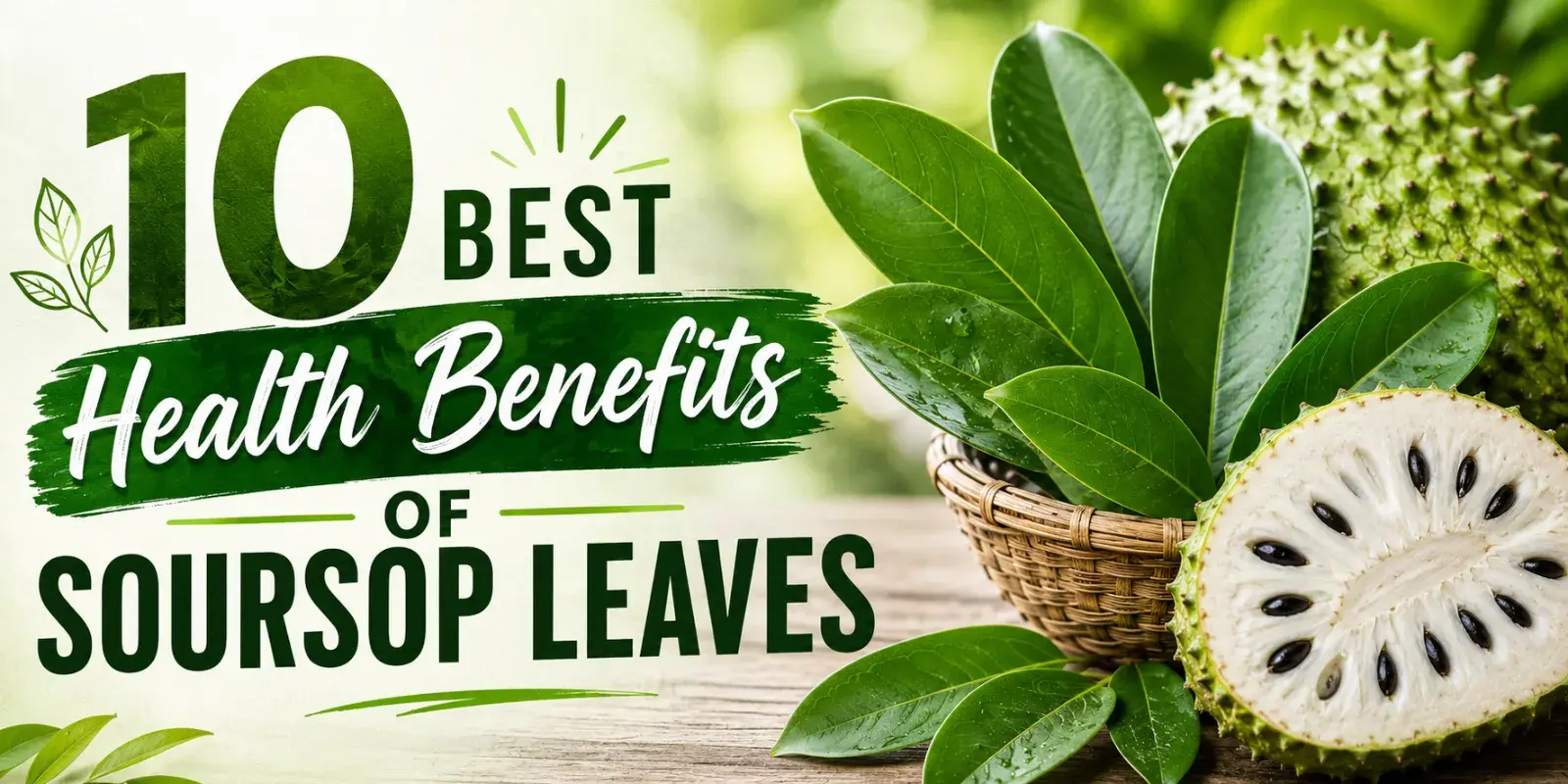
Quick Summary: The Power of Soursop Leaves
Soursop, scientifically known as Annona muricata (and often called Graviola), is a tropical evergreen tree famous for its prickly green fruit. However, in the world of natural wellness, the leaves are often considered more potent than the fruit itself. Packed with unique bioactive compounds called Annonaceous acetogenins, soursop leaves have been used for centuries in traditional medicine to treat inflammation, infections, and digestive issues.
While modern science is still catching up with human clinical trials, laboratory studies suggest these leaves possess powerful antioxidant and anti-inflammatory properties. This article will guide you through 10 primary benefits, how to prepare the tea safely, and the crucial “red flags” every consumer should know.
A Tropical Treasure in Modern Wellness
For generations, indigenous cultures in the Caribbean, Central America, and parts of Africa have reached for soursop leaves as a “cure-all” for various ailments. Known for its distinct, earthy flavor when brewed as a tea, soursop has recently surged in popularity in the United States as a functional superfood.
What sets soursop leaves apart from other herbal remedies is their complex chemical makeup. They are a rich source of alkaloids, phenols, and flavonoids—natural compounds that help the body fight oxidative stress and inflammation. As we explore the benefits below, it is important to remember that while the “lab-based” results are exciting, soursop should be viewed as a supplement to, not a replacement for, professional medical treatment.
1. Exceptional Anti-Inflammatory Support
Chronic inflammation is at the root of many modern health issues, including arthritis and heart disease. Soursop leaves contain high concentrations of phenols and flavonoids, which act as natural anti-inflammatory agents.
- Joint and Muscle Pain: Many users drink soursop tea to manage the symptoms of gout or arthritis.
- Mechanism: Scientific observations suggest that the leaves can inhibit inflammatory mediators, helping to reduce swelling and pain in the joints.
2. A Natural Boost for the Immune System
In a world full of environmental stressors, maintaining a robust immune system is vital. Soursop leaves are naturally high in Vitamin C and Vitamin A.
- Antioxidant Defense: These vitamins, combined with the plant’s unique acetogenins, help stimulate the production of white blood cells.
- Fighting Free Radicals: By neutralizing free radicals, soursop leaf extract helps protect your cells from the damage that leads to premature aging and chronic illness.
3. Managing Blood Sugar Levels (Glycemic Control)
One of the most promising areas of research regarding soursop leaves is their effect on blood glucose.
- Scientific Insight: Some animal studies have shown that soursop extract can help stabilize blood sugar levels by inhibiting certain enzymes that break down complex carbohydrates into glucose.
- For Pre-Diabetics: While not a substitute for insulin, it may serve as a supportive natural remedy for maintaining healthy metabolic balance.
4. Supporting Digestive Health and Gut Integrity
Traditional medicine has long used soursop leaves to treat stomach distress.
- Antibacterial Properties: The leaves possess natural antimicrobial properties that may help balance the bacteria in the gut.
- Ulcer Prevention: Some studies suggest that soursop leaf extract helps protect the stomach lining by increasing mucous production, potentially reducing the risk of gastric ulcers.
5. Promoting Relaxation and Improved Sleep Quality
In the US, stress and insomnia are major wellness hurdles. Soursop tea is often used as a natural sedative.
- Nervous System Calming: The leaves contain alkaloids that may interact with serotonin receptors in the brain, helping to lower anxiety and promote a sense of calm.
- Sleep Aid: Drinking a warm cup of soursop tea before bed is a traditional ritual to help those struggling with restlessness.
You May Read Also: Top 10 Health Benefits of Fennel Seeds You Should Know
6. Respiratory Health and Congestion Relief
If you are dealing with a persistent cough or sinus congestion, soursop leaves can provide soothing relief.
- Expectorant Qualities: The tea acts as a mild expectorant, helping to thin mucus and clear the airways.
- Anti-pathogenic Action: By fighting the underlying bacteria or viruses that cause respiratory distress, it helps the body recover faster from common colds.
7. Potential Anti-Cancer Properties: A Fact-Based View
This is perhaps the most discussed topic regarding soursop. It is essential to stick to the facts here to avoid misinformation.
- The Science of Acetogenins: Laboratory studies (in-vitro) have shown that specific compounds in soursop leaves can target and kill certain types of cancer cells.
- The Reality Check: Most of this research has been conducted in test tubes or on animals. There is currently a lack of large-scale human clinical trials to confirm these effects in people. Always consult an oncologist before using soursop as a complementary therapy.
8. Cardiovascular Health and Blood Pressure Management
Hypertension (high blood pressure) is often called the “silent killer.” Soursop leaves may help support heart health.
- Hypotensive Effects: The leaves have been observed to help lower blood pressure levels without significantly increasing heart rate.
- Reducing Strain: By helping to relax the blood vessels, soursop can reduce the overall strain on the cardiovascular system.
9. Skin Vitality and Anti-Aging Benefits
While often consumed as a tea, the leaves can also be beneficial for the skin.
- Antioxidant Protection: Regular consumption helps fight the oxidative stress that causes wrinkles and fine lines.
- Topical Use: In some cultures, crushed soursop leaves are applied to the skin to treat eczema and minor skin infections due to their antibacterial nature.
10. Liver and Kidney Detoxification
Your liver and kidneys are the body’s primary filters. Soursop leaves provide support for these vital organs.
- Flushing Toxins: The diuretic properties of the tea help the body flush out excess uric acid and toxins.
- Cellular Protection: The high antioxidant content helps protect liver cells from the damage caused by medications, alcohol, or environmental pollutants.
You May Read Also: What Are Fennel Seeds? Nutritional Value, Uses & History Explained
Preparation Guide: How to Make Soursop Leaf Tea
To get the most out of soursop leaves without over-extracting bitter compounds, follow this simple method:
- Selection: Use 2–3 dried soursop leaves for one cup of water.
- Boil: Bring the water to a rolling boil.
- Steep: Add the leaves, turn off the heat, and let them steep for 5–10 minutes.
- Strain and Serve: Remove the leaves. You can add a drop of honey or a slice of lemon to enhance the flavor.
Safety Precautions and Side Effects
Fact-based reporting requires discussing the potential risks.
Neurological Concerns: Long-term, excessive consumption of soursop (especially the seeds and bark, but also the leaves) has been linked in some studies to nerve damage or movement disorders similar to Parkinson’s disease due to high alkaloid content.
Pregnancy and Breastfeeding: There is not enough safety data regarding soursop leaves for pregnant or nursing women; therefore, it should be avoided.
Drug Interactions: If you are taking blood pressure or diabetes medication, soursop may cause your levels to drop too low. Consult your doctor first.
Frequently Asked Questions Related to Soursop Leaves
Q: Can I drink soursop tea every day?
A: Most herbalists suggest “cycling” your intake. For example, drink it for five days and take two days off. Avoid consuming large quantities for months at a time to prevent alkaloid buildup.
Q: Is it better to use fresh or dried soursop leaves?
A: Both are effective. However, dried leaves are more commonly found in the US and are easier to store while maintaining their nutrient profile.
Q: Does soursop tea contain caffeine?
A: No, soursop leaf tea is naturally caffeine-free, making it an excellent choice for a calming evening beverage.
Q: Can I give soursop tea to children?
A: Due to the potency of the alkaloids, it is generally recommended to avoid giving soursop tea to children unless directed by a pediatrician.
Q: Where can I find authentic soursop leaves in the USA?
A: Look for organic, non-GMO verified leaves at reputable health food stores or online wellness retailers. Ensure the product is labeled as Annona muricata.
About Author